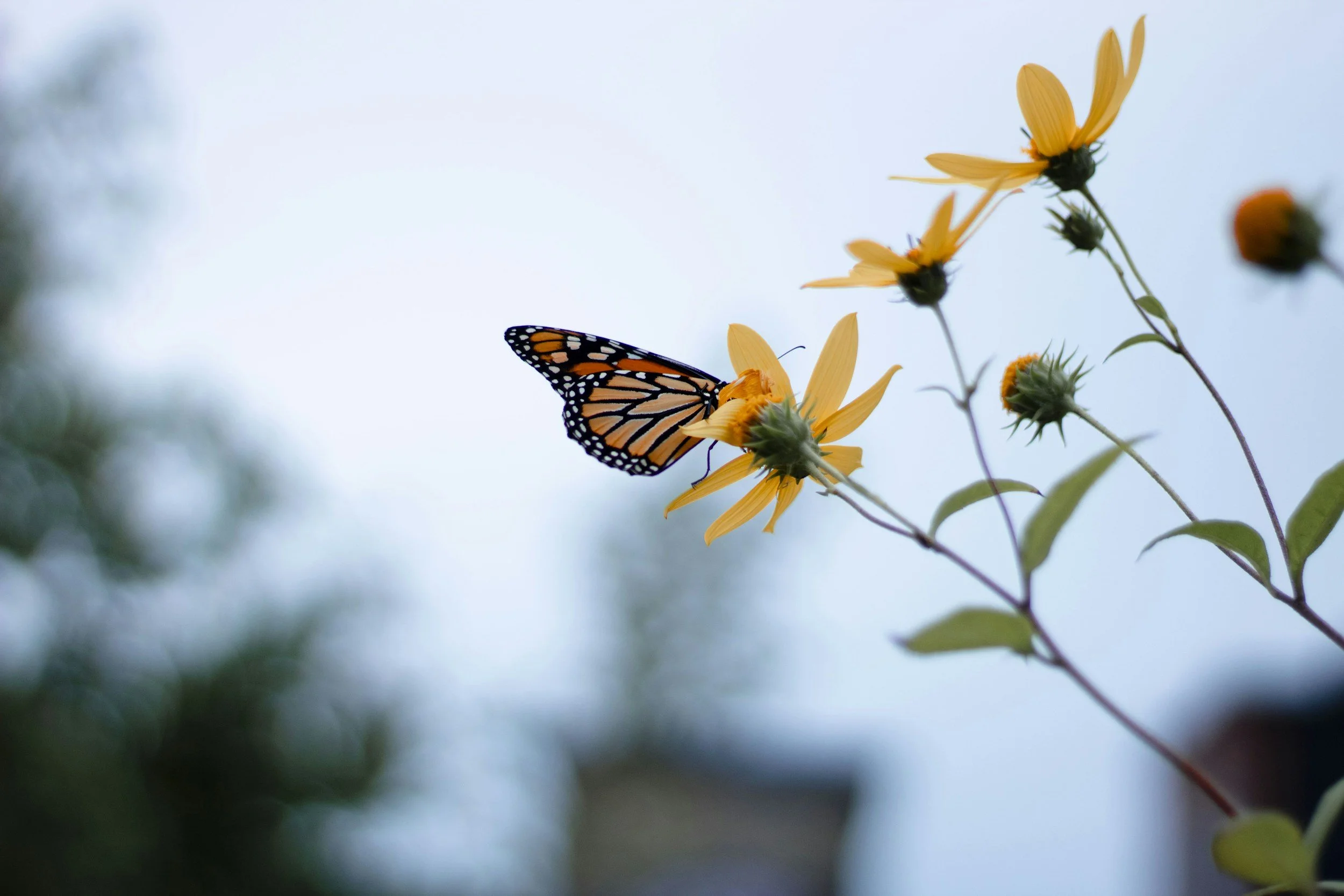
The Monarch Lifecycle
The monarch butterfly life cycle is a process of complete metamorphosis featuring four distinct stages. It takes about four to five weeks to complete during the summer.
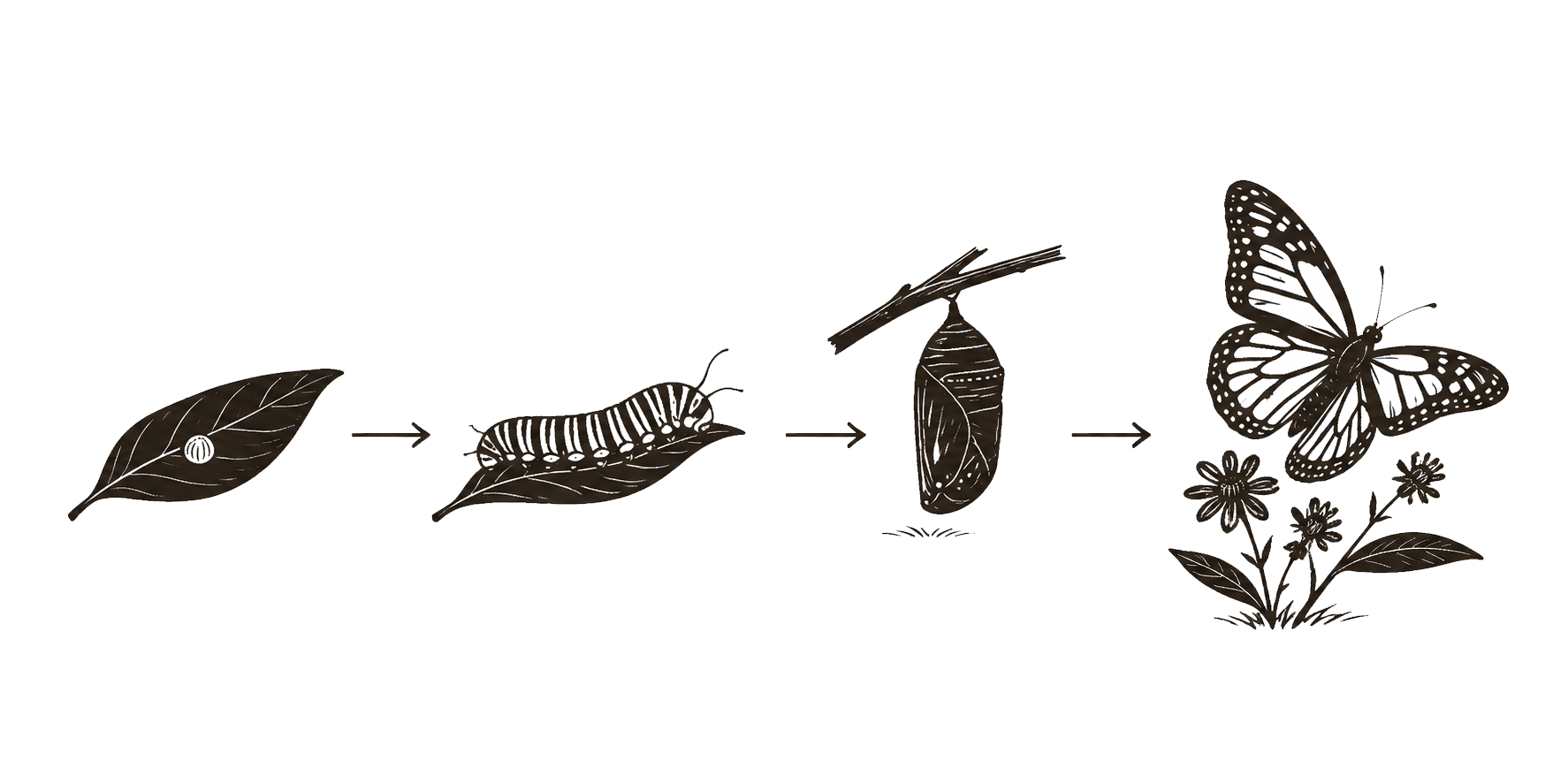
Egg: A female monarch lays a tiny, pinhead-sized egg on the underside of a milkweed leaf. This stage takes about 3 to 5 days.
Larva (Caterpillar): The caterpillar hatches and spends 10 to 14 days eating milkweed and growing rapidly, shedding its skin five times (instars).
Pupa (Chrysalis): The caterpillar forms a J-shape, hangs upside down, and sheds its outer skin one last time to form a jade-green chrysalis. Inside, it metamorphoses for 10 to 14 days.
Adult: The butterfly emerges, pumps fluid into its wings to expand them, and flies off to feed on nectar. Summer adults live for 2 to 5 weeks, while the final generation of the year migrates south and lives for 6 to 9 months.
The Four Generations
Throughout spring and summer, three successive generations of monarchs hatch, mature, mate, and die within just two to five weeks each, steadily pushing the population northward as the season progresses. These summer monarchs live fast and briefly, their sole purpose to breed and extend the range.
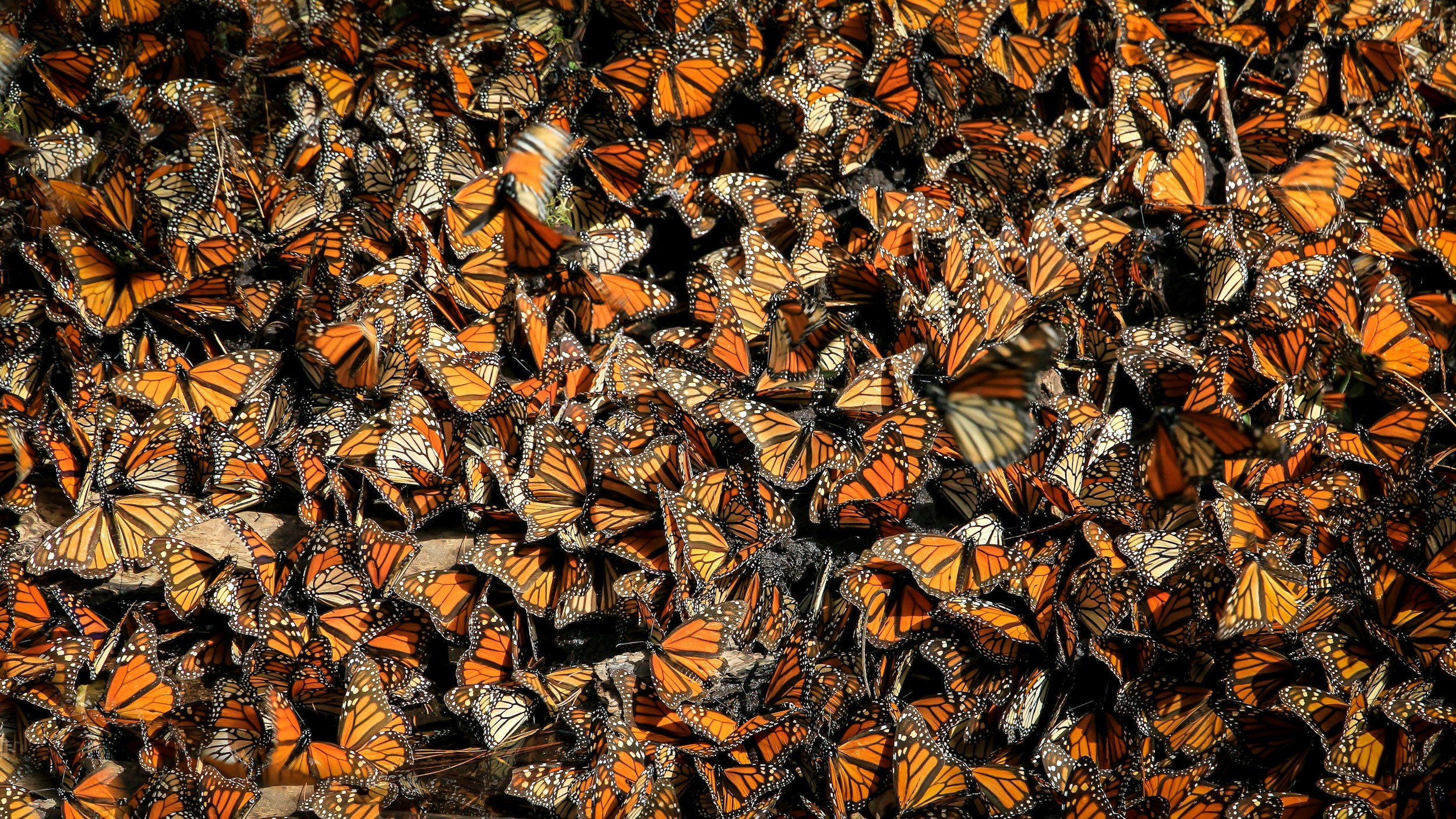
Then something extraordinary happens. The fourth generation, emerging in late summer, is biologically different. These monarchs — sometimes called the "super generation" — are born knowing they are not meant to stay. Rather than reproducing immediately, they enter a state of reproductive dormancy and begin one of the most astonishing migrations in the animal kingdom: a journey of up to 3,000 miles to the oyamel fir forests of central Mexico, where they will overwinter by the millions. Instead of weeks, they live for six to nine months. Come spring, they wake, mate, and begin the long flight north, laying the eggs that will become Generation 1 of a brand new year, and starting the whole cycle again.
Why Milkweed is Essential
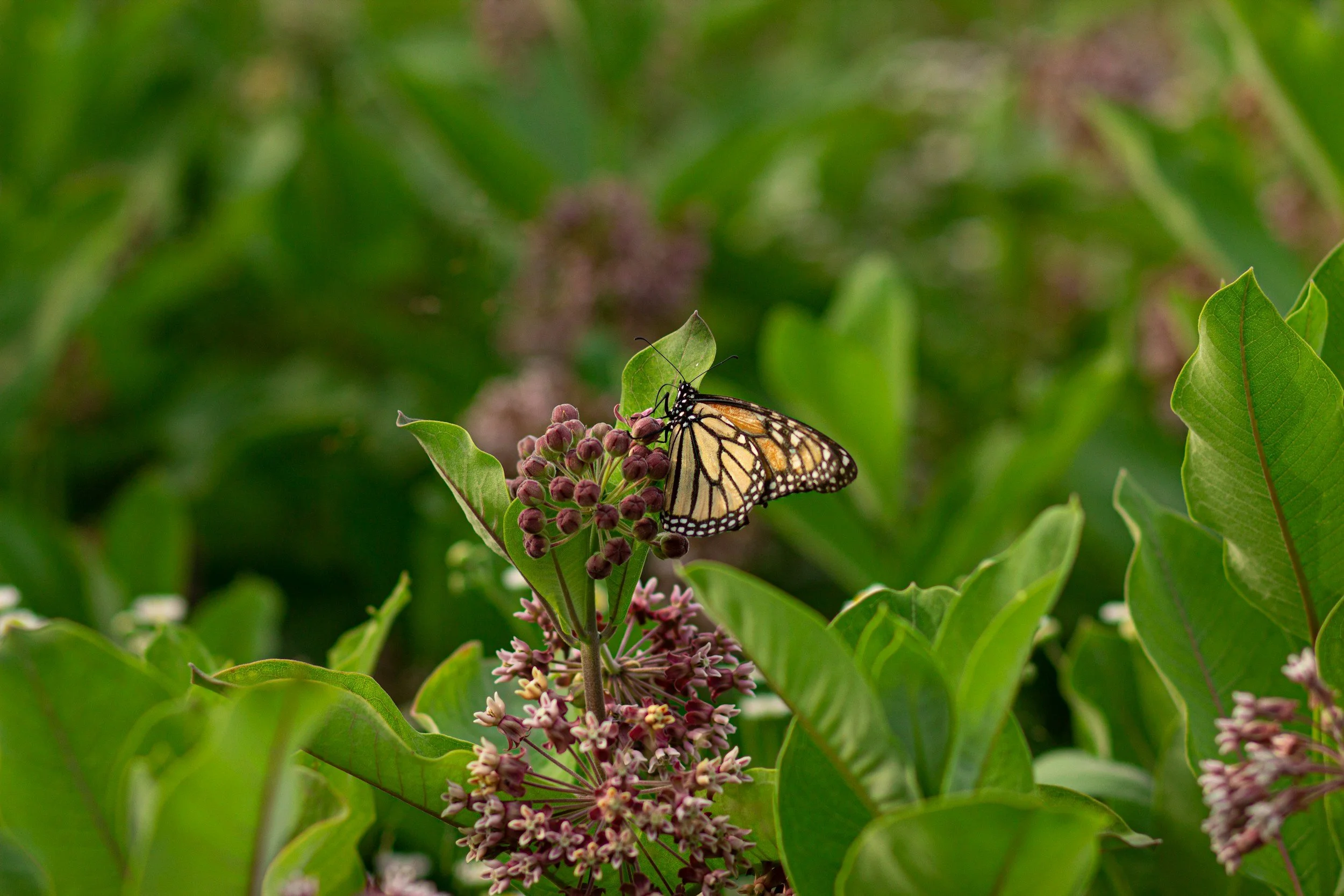
Female monarchs will only lay their eggs on milkweed (Asclepias), and for good reason: it's the sole food source monarch caterpillars can survive on. As caterpillars feed on milkweed leaves, they absorb the plant's natural toxins, which accumulate in their bodies and make them poisonous and unpalatable to predators like birds. It's a built-in defense system, millions of years in the making.
Once a monarch reaches adulthood, its diet shifts dramatically. Adult butterflies fuel their daily lives — and their extraordinary 3,000-mile migrations — on flower nectar. They're drawn to brightly colored, flat-topped blooms that double as landing pads: milkweed flowers, coneflowers, asters, sunflowers, and goldenrod (especially critical during the fall migration push south). Zinnias, lantana, and salvia are favorites too.
This is where all of us come in. Planting native milkweed and nectar plants in your yard, garden, or community space is one of the most direct ways to support monarch recovery.
Why Monarchs Are in Crisis
The monarch butterfly population has declined by more than 80% over the past few decades, and the threats driving that collapse are still active today.
The single greatest threat is habitat loss. Milkweed, which monarchs depend on absolutely for breeding, has been devastated by herbicide use across agricultural land. The native wildflowers that fuel adult monarchs along their migration routes are disappearing as land gets developed and natural corridors get paved over. And the oyamel fir forests in central Mexico where monarchs overwinter continue to face pressure from logging and agricultural clearing.
Pesticides, climate change, and natural parasites compound the threat further. Systemic insecticides contaminate the soil and water monarchs encounter throughout their lives. Warming temperatures and increasingly severe weather disrupt the seasonal timing their migration depends on.
The situation is serious, but it's not hopeless. That's exactly why habitat restoration and community education matter so much.